


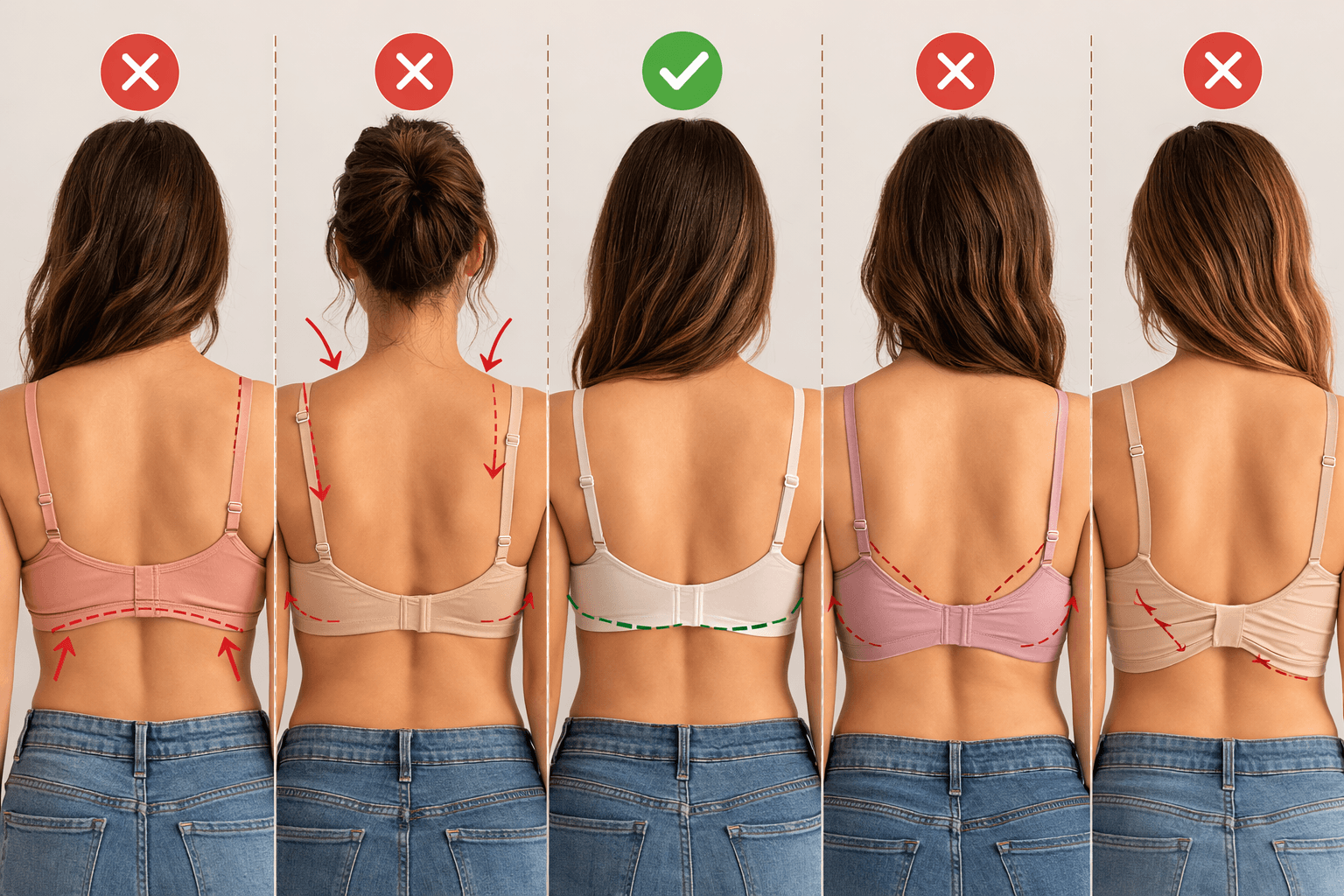
Finding the perfect bra can feel like the holy grail for many women. Whether it’s discomfort, improper fit, or simply not knowing what to look for, bra problems are more common than you might think. Studies show that approximately 80% of women wear the wrong bra size, leading to various issues ranging from mild discomfort to more serious health concerns. This blog will delve into the seven most common bra fit problems and offer practical solutions to ensure you find the perfect fit every time.
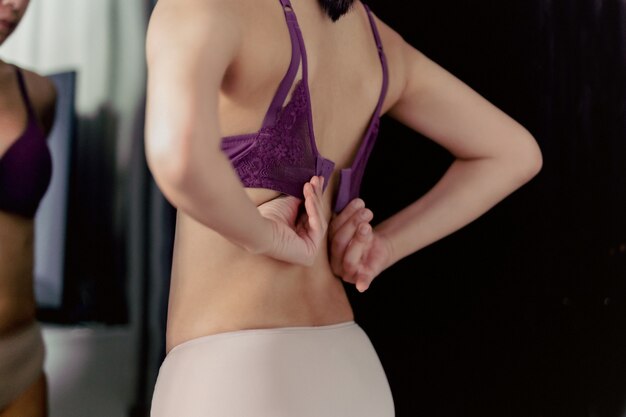
The Importance of Finding the Right Bra Fit
Before we dive into the problems, let’s discuss why finding the right bra fit is crucial. Wearing the wrong bra size can lead to physical and emotional discomfort. Poorly fitting bras can cause back pain, shoulder discomfort, and skin irritation. They can also affect your confidence and how your clothes fit. A well-fitted bra can improve posture, provide adequate support, and enhance your overall appearance. Therefore, understanding bra fit is not just about comfort; it’s about health and confidence.
Just like learning how to choose a bodysuit, understanding bra sizing requires paying attention to body shape, fabric, and support level. The right lingerie foundation helps clothing sit better on your body and ensures comfort throughout the day.
Band Riding Up
One of the most common issues is the bra band riding up your back. This typically means that the band size is too big. The band should fit snugly and sit horizontally around your body, providing most of the support. A band that rides up compromises support and can lead to discomfort and back pain.
Solution
To fix this issue, measure your underbust accurately to determine your band size. A band that stays firmly in place helps ensure that your bust’s weight is evenly distributed, preventing strain on your shoulders. If you’re unsure, seek professional fitting services available at many lingerie stores.
Straps Digging Into Shoulders
If your bra straps are digging into your shoulders, it might indicate that your bra is not providing adequate support through the band. Straps are meant to provide minor adjustments, not bear the brunt of the weight.
Solution
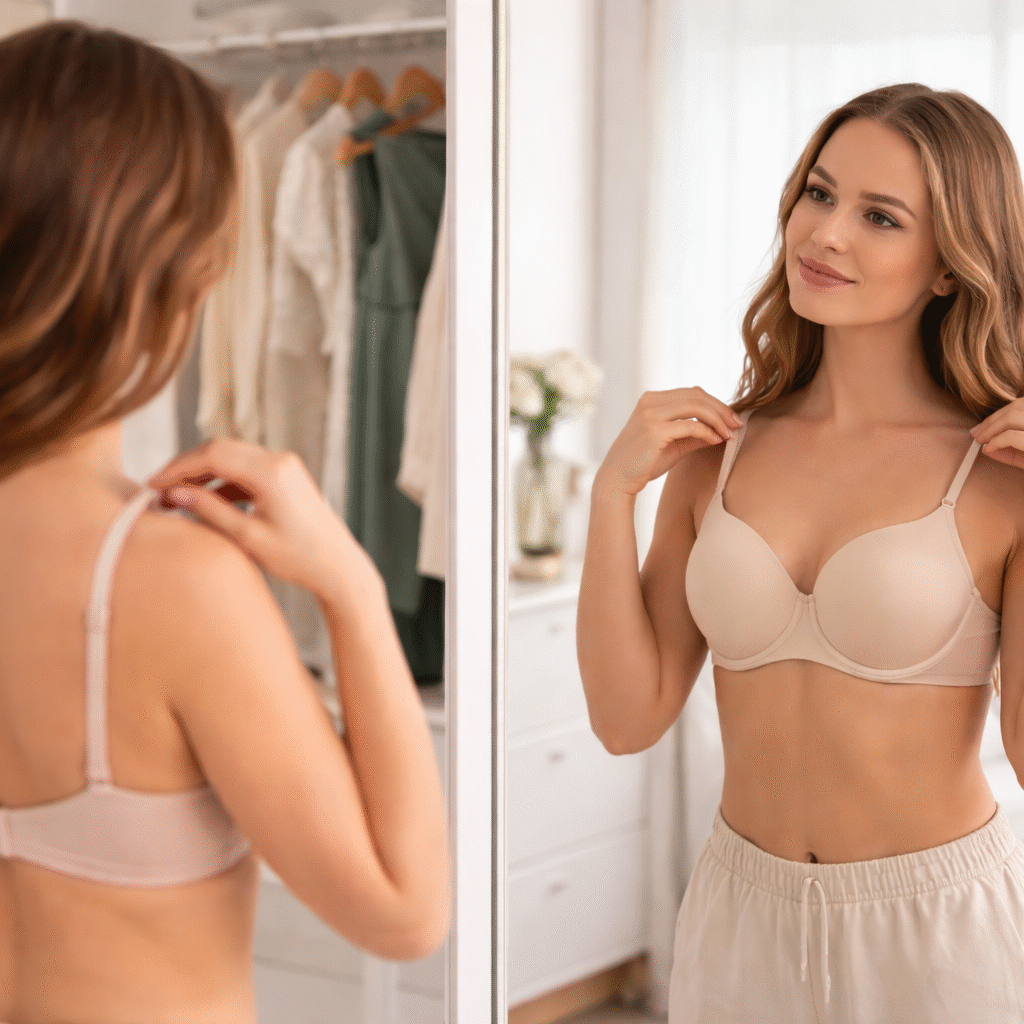
Adjust your straps so they are comfortable and do not slip. Additionally, you may need to check your band size. If the band is too loose, it forces the straps to take on more weight. A well-fitted band should relieve pressure on the straps.
Cup Overflow or Spillage
Spillage over the top or sides of the bra cups indicates the cup size is too small. This not only affects the appearance of your clothing but can also cause discomfort from breast tissue being squeezed.
Solution
Try going up a cup size to see if it resolves the issue. During a fitting, bend forward to ensure all breast tissue is inside the cup. It’s essential that the cup fully encapsulate your breast for maximum comfort and support.
Gaping or Wrinkling in Cups
On the flip side, if you notice gaping or wrinkling in the cups, it might mean the cups are too large. A lack of support and an unattractive silhouette may result from this.
Solution
Consider stepping down a cup size to ensure a snug fit. When fitting bras, the cup should lie smoothly and conform to the shape of your breasts without any wrinkles. You can also explore online bras for sale, which offer a wide range of sizes and styles to find your perfect match.
Underwire Discomfort
Underwire discomfort is a common complaint. This usually occurs when the underwire is pressing into breast tissue or poking into your sides.
Solution
Ensure that the underwire encircles your entire breast and sits flat against your chest. If the underwire is uncomfortable, try a different style or size. Bras with wider underwires or more comfortable fabrics can make a significant difference.
Center Gore Not Lying Flat
The center gore is the part of the bra that sits flat against your sternum. If it doesn’t lie flat, it might indicate an incorrect cup or band size.
Solution
Check that the band fits snugly and try different cup sizes. A properly fitted bra should have the center gore lying flat, indicating that the cups are the right size and the band is providing adequate support.
Overall Discomfort
Sometimes, even if you’re wearing the correct size, you might experience overall discomfort. This can be due to fabric, style, or even daily activities. For example, women who regularly work out may need different types of supportive bras designed for movement. Many athletes today also rely on fitness wearables for training to track their workouts and performance, making it equally important to wear the right sports bra that provides proper support during high-intensity activities.
Solution
Explore different bra styles that may offer more comfort, such as wireless bras or bras made from softer materials. Consider your daily activities and choose bras that accommodate your lifestyle, whether you need more support for physical activities or a seamless look for work.
Conclusion
The journey to finding the perfect bra fit can be challenging but rewarding. A well-fitted bra not only enhances your comfort and appearance but also boosts your confidence. Regularly check your measurements and don’t hesitate to seek professional advice if needed. Remember, the right bra can make all the difference in your daily life.